

Industrial Uniform Manufacturing: Durability, Safety & Compliance
What if the most expensive “equipment” in your factory isn’t the heavy machinery, but the clothing your workers wear every single day?
Businesses in the industrial sector utilize spreadsheets to investigate the reasons behind their increasing operational expenses and their challenges with employee retention. The production area contains the actual solution which remains concealed from observation. When worker uniforms show signs of damage after multiple washes or when workers need to roll their sleeves up because their uniforms weigh too much for Indian weather conditions, your “safety ecosystem” starts to fall apart. Your productivity and compliance standards receive direct threats from these clothing problems which require urgent attention.
The industrial sector in India will undergo changes between now and 2026. The current safety regulations require more stringent compliance standards which go beyond basic standard coveralls because this requirement exists for both legal compliance and skilled workers. The present industrial uniform manufacturing process goes beyond supplying products because it focuses on developing long-lasting products which achieve complete safety compliance and safeguard your financial interests.
At Iriswear, we look at the manufacturing process through the lens of the person on the floor. In this guide, we’ll look at why high-quality manufacturing has become a non-negotiable in 2026, how compliance protects your bottom line, and why the right gear is the foundation of a safe workplace. So, let’s have a look at the guide!
What is Industrial Safety in 2026?
Many people ask, what is industrial safety beyond wearing a hard hat and high-visibility vest? It isn’t just about following rules; it’s the active management of risk at every single touchpoint of the workday. Safety is a culture of “preventative action.”
The manufacturing industry requires all clothing items to comply with current regulations which determine acceptable standards. The stitching must provide sufficient strength to prevent fabric snags while the material requires special treatment to endure high temperatures. Safety takes continual preparedness because organizations must continue to be prepared for unexpected events.
Role of Industrial Uniforms
The Foundation of a Secure Floor: 5 Safety Measures
If you want to have a productive business, you have to think about more than just the equipment. Here are the 5 safety standards every leader should have on the front page of their list:
- Correct Gear for the Task: Workers must use special protective equipment when they perform their duties which involve handling chemicals or conducting high-heat welding operations.
- Regular Equipment Inspections: The process of equipment inspection requires assessment of vbs to identify worn areas and damaged fasteners which present safety risks.
- Visible Safety Protocols: While signs and reminders are essential, a uniform serves as a living, breathing signal of an organization’s safety culture, reinforcing protocols every second it’s worn.
- Worker Feedback Loops: Listen to the people wearing the gear. If they say a glove is too thick to feel the controls, it’s a safety risk.
- Strict Compliance Adherence: Ensure every garment comes from reputable manufacturers who understand Indian and International safety standards.
Following the 7 Basic General Industry Safety Rules
The 7 basic general industry safety rules guide managers at all sites because they provide a common framework for their work. The required safety procedures include maintaining clean work areas and reporting all injuries immediately and wearing correct Personal Protective Equipment (PPE) at all times.
The manufacturers use best material for industrial uniforms, create compliance through their designs which include reinforced knees for laborers and anti-static properties for electronics workers. The rules become easier to follow because the manufacturers made compliance part of their workday through these design features.
The True Cost of “Low-Cost” Uniforms
In an era of rising costs, it is tempting to look for the cheapest bid. However, the true cost of a uniform isn’t the price on the invoice; it’s the cost per wear. When industrial uniform manufacturers produce gear that tears within months or loses its flame-resistant properties after just a few washes, the business pays twice: once for the constant replacements and again through the shadow of increased liability.
Durability isn’t just about the thread. It’s about how the garment stands up to the specific environment of the factory. Is it resistant to chemical splashes? Does it breathe in the humid Indian climate? These are the questions that define a productive workforce.
Understanding the Role of Industrial Uniforms in the Workplace
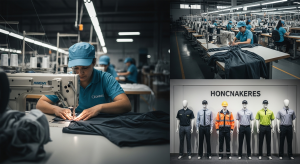
A uniform is more than just a brand identity. The role of industrial uniform in workplace settings is primarily to act as the first line of defense. In 2026, your uniform serves as one more tool; if an employee has concerns regarding sleeve fitment and catching on machinery, they will be unable to complete their task as efficiently as possible.
The work process improves when technicians and welders receive uniforms which designers create according to their actual work movements. The worker can perform their tasks without interference from the uniform because the garment becomes undetectable.
Why Iriswear is Redefining Manufacturing in India
Redefining Manufacturing in India
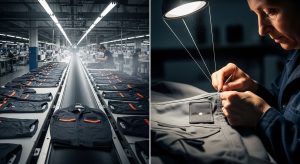
As one of the leading uniform manufacturers in India, Iriswear focuses on the “unseen” details. We understand that a seam that doesn’t rub, a pocket that is actually reachable, and a fabric that stays cool under pressure are the things that keep a factory moving.
Our process involves:
- Testing Fabric: Confirming that durability is a proven fact rather than a mere claim after numerous hours of commercial laundering.
- Designing for Fit and Functionality: Creating designs that consider how a person moves rather than simply how they sit on a mannequin.
- Compliance First- By knowing current safety regulations, we can keep our customers ahead of the game so they can always be prepared for an audit.
Closing the Gap Between Safety and Performance
The difference between a struggling agency and a high-performing agency exists because of minor details. The industrial setting requires workers to wear specific uniforms as its essential detail. The team members experience two negative effects when their protective equipment fails to work properly. The team members who use Iriswear products perceive themselves as ready to tackle all 2026 challenges.
Your selection of an industrial uniform partner requires you to make a commitment to building your workforce. The equipment ensures that work becomes easier because it protects workers from difficult tasks.